When a shower disappoints, the shower head usually gets the blame. A new one goes on, the trickle stays the same, and frustration grows. Water pressure is one piece of the puzzle – but the real fault is often somewhere else.
Pressure or flow – what's the difference?
Pressure is the force pushing water along the pipe; flow is the volume that arrives. A shower can have healthy pressure but poor flow if limescale narrows the pipes. If the kitchen tap runs strongly while the shower dribbles, the problem is probably local – a clogged head, debris in the mixer cartridge or a half-closed valve. If every outlet is weak, the cause is further upstream.
Could hot water storage be the reason?
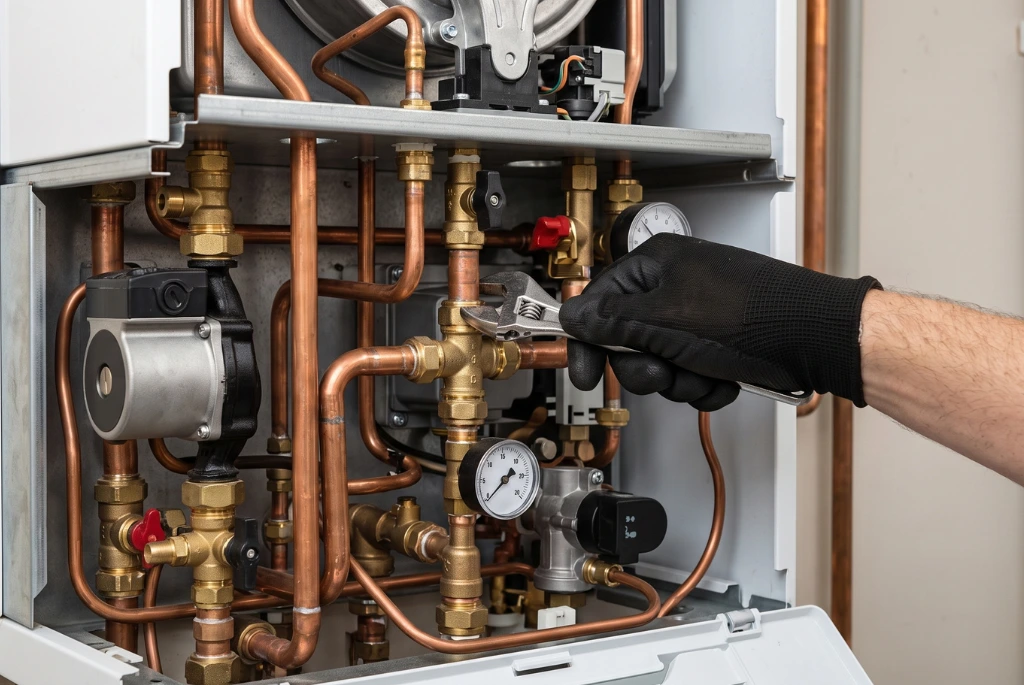
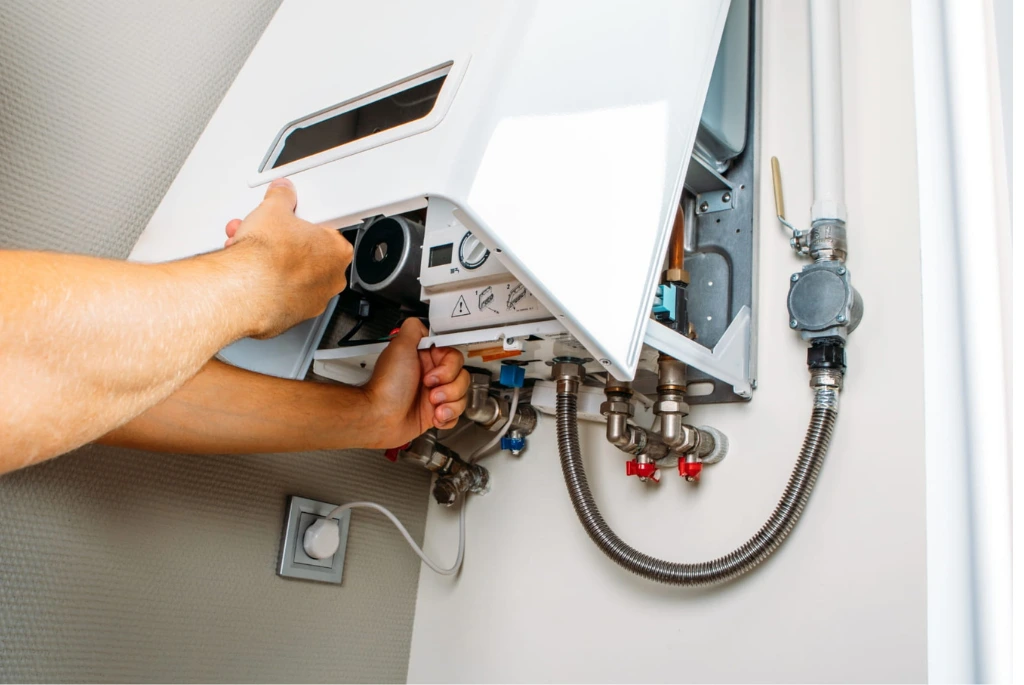
Many homes rely on stored hot water. An ageing cylinder loses performance through sediment, scale or a failing element – a shower that starts warm and turns cold within minutes is a classic sign. Replacing the cylinder often improves comfort more than any new fixture.
Do hidden pipes and drains play a part?
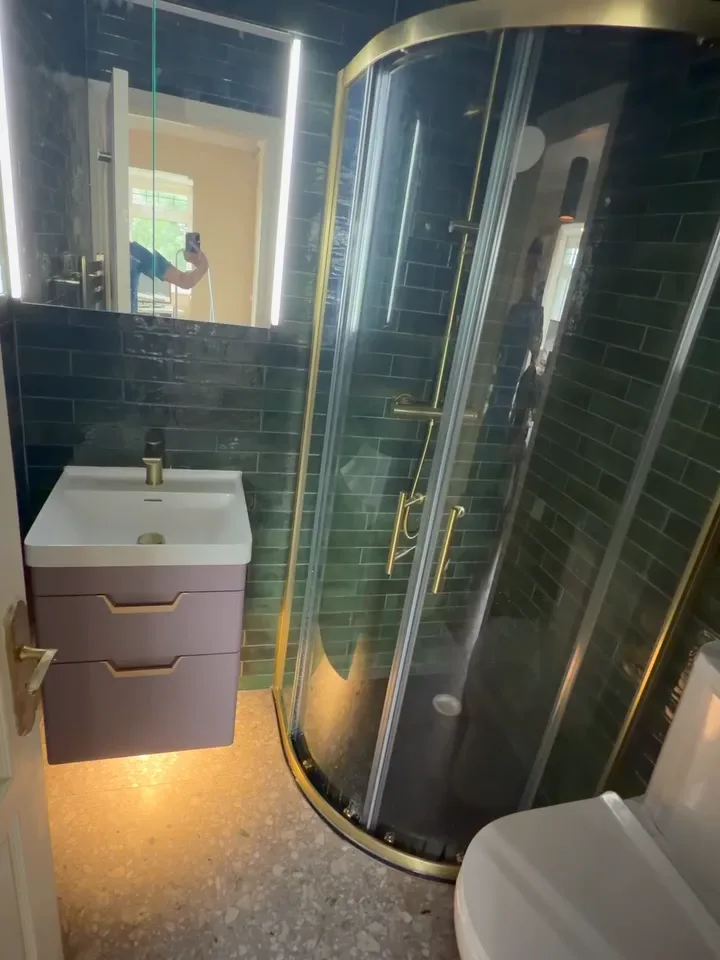
A small pinhole in a supply pipe steals flow before it reaches the shower – watch for damp patches, humming pipes and rising bills. Drainage matters too: when water pools around your feet, a shower can feel weak even when the supply is fine.
What to check before calling a plumber
Soak the head in descaler, clean the inlet filter, compare performance at different times of day and note whether hot, cold or both are affected. If nothing changes, the cause is deeper in the system and a proper assessment will save time and money.